Is Wealth Tax the Right Fit for Malaysia?
 July 1, 2026


Key Takeaways
- A wealth tax may seem like a fair fix, but Malaysia risks losing more than it gains, in investment, talent and its ambition to become a regional wealth hub.
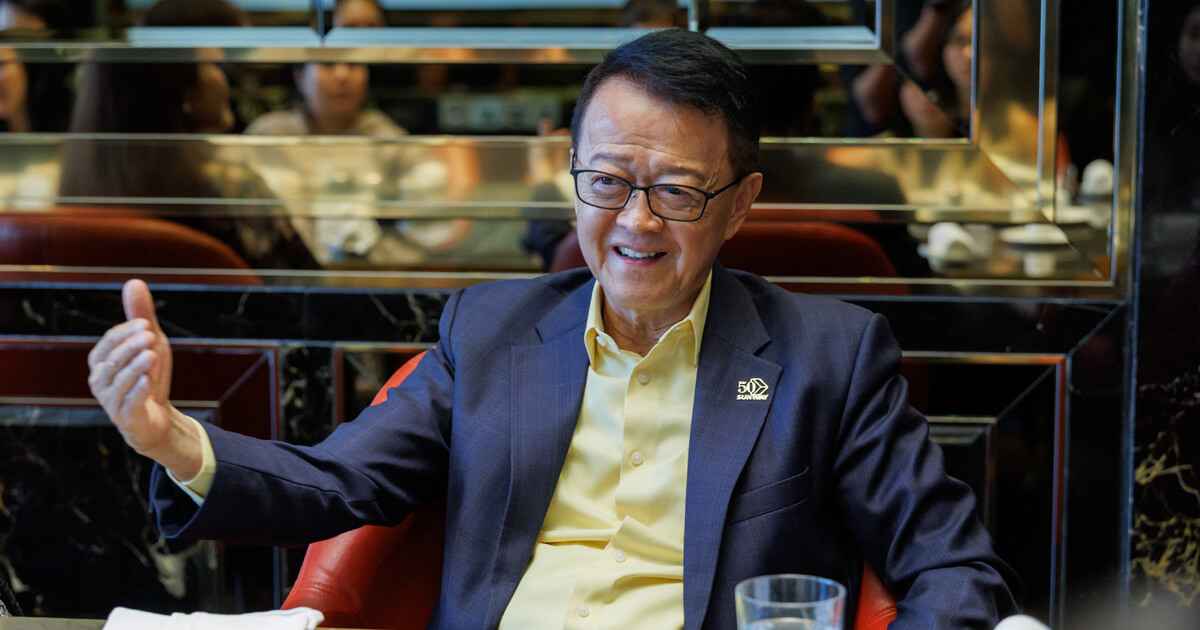
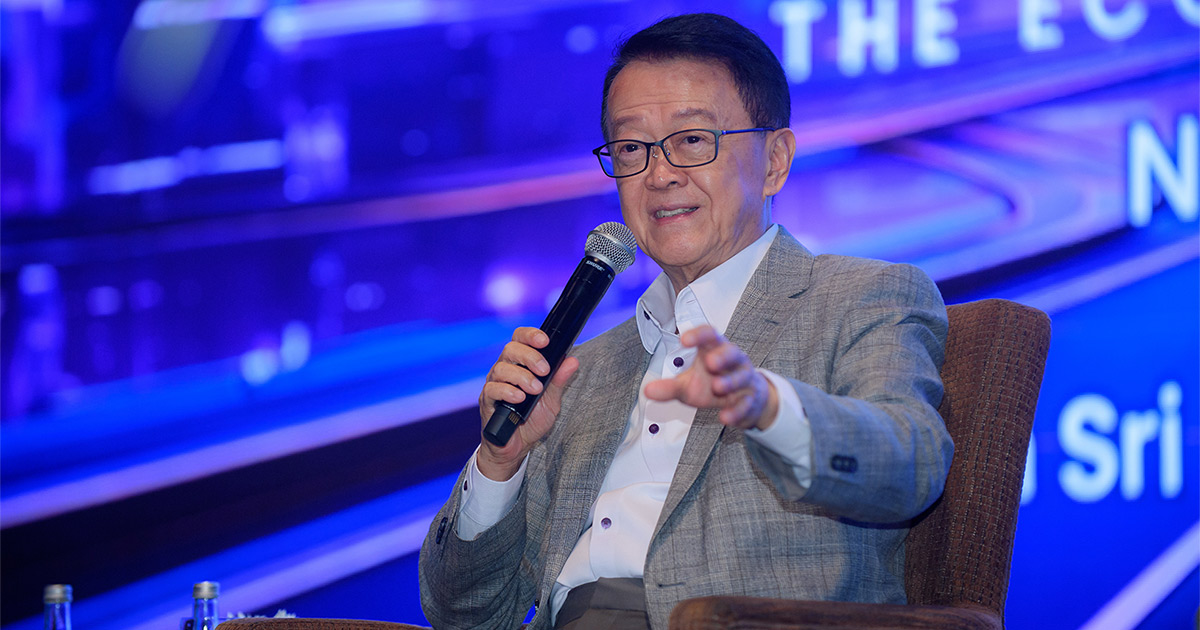
Malaysia is debating whether to introduce a 2% wealth tax on its wealthiest citizens. It sounds straightforward, but Professor Yeah Kim Leng believes it could quietly cost the country far more than it gains.
“Wealth taxes are often abandoned because of their costs, risks and unintended consequences,” says Professor Yeah.
As Senior Fellow and Director of the Economic Studies Programme at the Jeffrey Cheah Institute on Southeast Asia, Sunway University, he brings a practical and evidence-based perspective to one of the nation’s most consequential economic conversations.
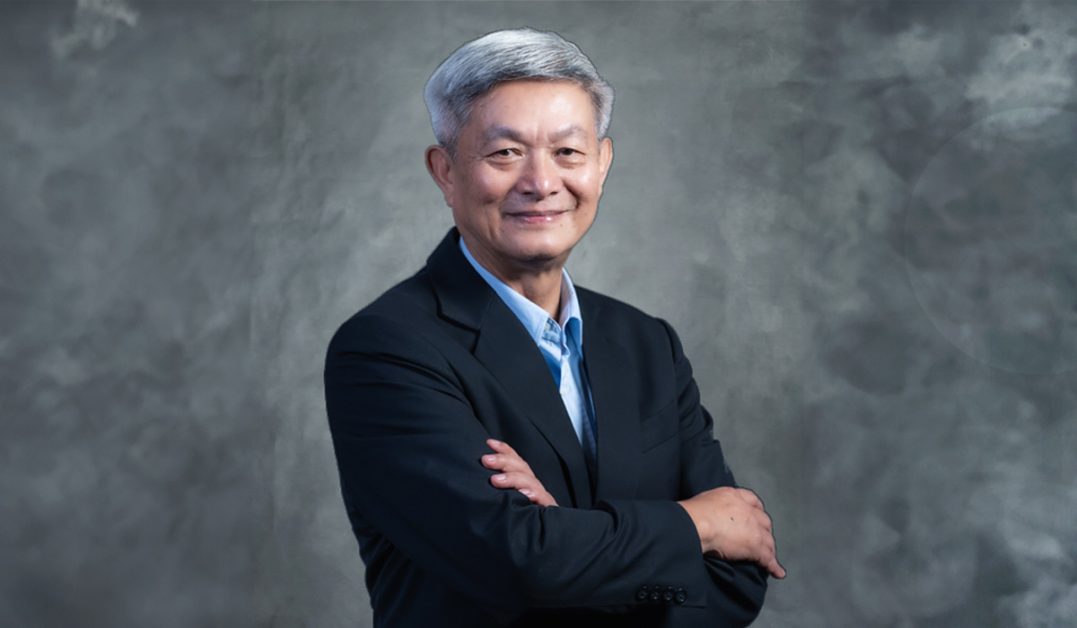
His concern is not ideological. They are grounded in experience and international precedents.
France tried a wealth tax. Germany tried it too. Both eventually scrapped theirs, defeated by low revenue yields, capital flight and the complexity of valuing assets that are difficult to price, such as private equity stakes, family-owned businesses and luxury goods.
For Malaysia, the cost-benefit equation gets worse. A 2% levy on the country’s richest individuals might sound bold, but the revenue generated could be limited. Not enough to justify the enforcement infrastructure it demands, let alone the economic implication it sends to the outside world.
And that signal matters enormously right now.
Malaysia is actively positioning itself as a regional wealth hub, courting single family offices and high-net-worth investors to establish roots here. A wealth tax, Professor Yeah warns, would send a contradictory message to the very people the country is working hard to attract.
“Entrepreneurship could be dampened and valuation distorted by “hard to value” assets,” he cautions. For an economy that depends on innovation, investment and risk-taking, these unintended consequences could outweigh any short-term fiscal gains.
The good news: better alternatives already exist, and they are already in motion.
Broadening the Sales and Service Tax (SST) base would build a more resilient, predictable revenue stream without the headache of asset valuation. Tightening tax administration to close compliance gaps, introducing a dividend tax on unlisted company shares, and gradually rationalising fuel subsidies would collectively do more for government coffers, and far more sustainably.
Instead of simply aiming to raise revenue, Professor Yeah emphasises the importance of implementing the right measures to foster sustainable economic growth, encourage investment and strengthen the country’s competitive standing in the region.
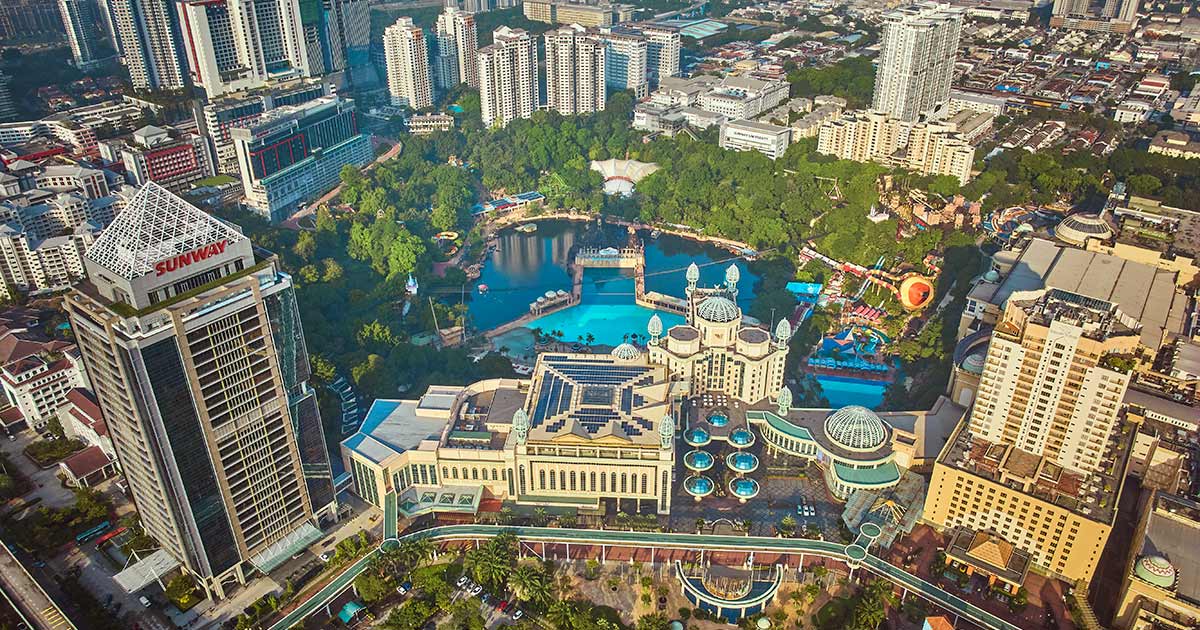
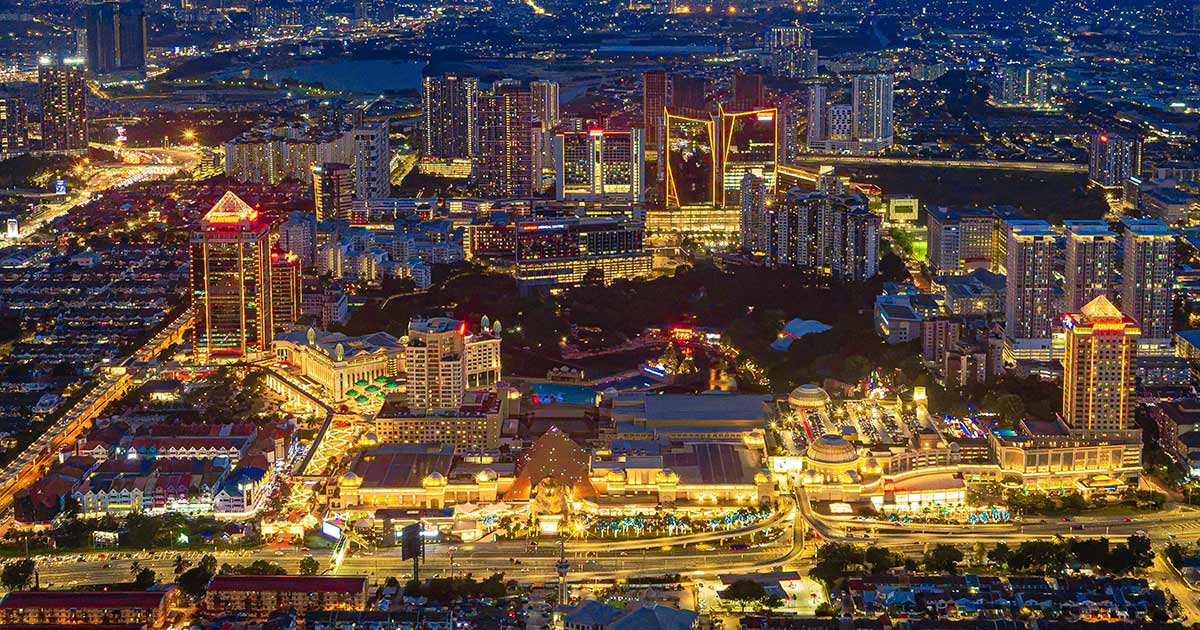
Based at Sunway University, the Jeffrey Cheah Institute on Southeast Asia serves as an independent public policy think tank dedicated to advancing practical and equitable solutions to the region’s most pressing challenges. Through the work of scholars such as Professor Yeah Kim Leng, the Institute continue to shape important conversations on economic policy and sustainable development, underscoring Sunway’s commitment to building a prosperous and competitive nation.
RELATED SDGs