Can You Handle the Heat?
 July 14, 2026


Key Takeaways
- A heatwave is more than just a hot day; it is a prolonged period of unusually high temperature and reduced rainfall.
- Staying cool takes more than just drinking water. What you eat, drink and do each day also matters.
Why does it feel like the weather is suddenly much hotter?
Hot afternoons are nothing new, but lately, stepping outside feels like walking into an oven. Heatwaves occur when weather patterns reduce rainfall and trap warm air over an area for an extended period.
Unlike a regular hot afternoon that gets washed away by an evening thunderstorm, a prolonged dry spell means temperature remains high for days or weeks, depriving both our environment and our bodies of a much-needed chance to recover.
When this happens, it is important to maintain our health and well-being.
Recognising the Warning Signs
When temperature stays high for long periods, our bodies must work harder to keep our internal temperature stable.
How can you tell when heat becomes a health concern? It comes down to listening to the subtle warning signs. Heat exhaustion often develops gradually. Common symptoms include excessive sweating, fatigue, muscle cramps, difficulty concentrating, dizziness and nausea.
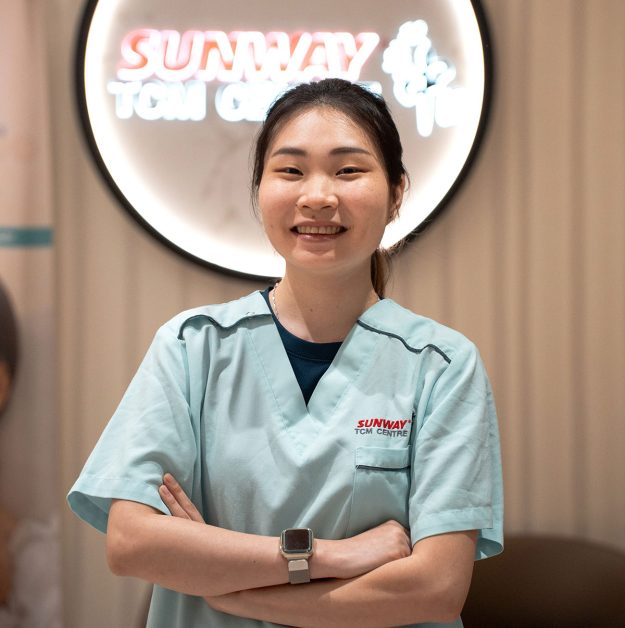
These symptoms indicate an underlying imbalance in the body. Ms. Tan Suk Meng, a practitioner at Sunway Traditional & Complementary Medicine (TCM) Centre, explains:
“Prolonged heat can deplete both Qi, the body’s vital energy, and Yin, the body’s cooling fluids. Overtime, this may lead to an imbalance within our body. In severe cases, it can even lead to collapse.
If you or someone around you experiences these symptoms, move to a shaded or air-conditioned area, rest and stay hydrated. Early intervention can help prevent more serious heat-related illnesses.
Cooling from the Inside Out
When we feel overheated, our first instinct is usually to reach for ice-cold drinks. However, this may not always be the best approach.
“When the body is overheated, it naturally releases heat through sweating,” Ms. Tan explains. “Drinking ice-cold water may disrupt the body’s natural cooling and digestive process. This can affect how the body processes fluids and potentially cause discomfort such as bloating, cramps or sluggishness.”

As Ms. Tan advises, “A simple way to cope with the heat is to stay hydrated with room-temperature fluids, and pace activities during the hottest hours for our body to have adequate rest.”
Hydration also comes from the food we eat. Water-rich fruits and vegetables like watermelon and cucumber help replenish fluids while providing electrolytes that are lost through sweat.
Lighter meals may also feel more comfortable during hot weather, while traditional cooling beverages such as chrysanthemum tea are commonly consumed to help ease heat-related discomfort.
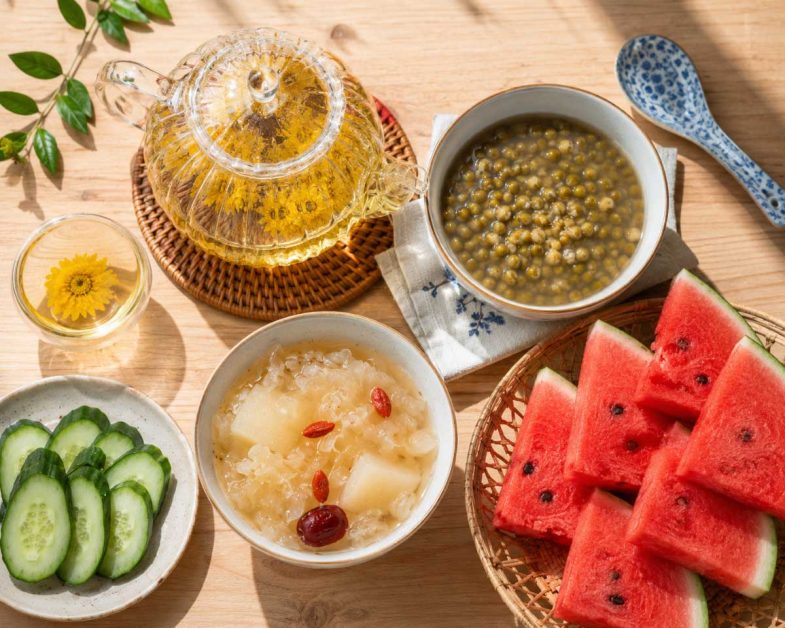
Other food frequently recommended in TCM for hot weather include mung bean soup, traditionally consumed to help clear excess heat, and snow fungus with pear soup, valued for its cooling and hydrating properties, particularly when heat causes symptoms such as dry throat, chapped lips or dry cough.
Looking Out for Each Other
While everyone feels the effects of the heat, some groups face greater risks. Young children can be so absorbed in playing that they forget to drink water until they are already dehydrated. Encouraging regular water breaks can help prevent heat-related issues.

Older adults are also more vulnerable because the body’s ability to regulate temperature and recognise thirst naturally declines with age. As a result, the elderly may struggle to adapt to intense heat, making them more prone to dehydration, exhaustion and heat-related symptoms.
It is important to check in regularly on elderly family members, neighbours and friends. Encourage them to drink water frequently and ensure their living spaces are well-ventilated.
By recognising the early signs, staying properly hydrated, and looking out for one another, we can protect our health and well-being. As heatwaves become increasingly common, small daily habits can go a long way in helping us stay cool, comfortable and resilient.
RELATED SDGs